Key Takeaways
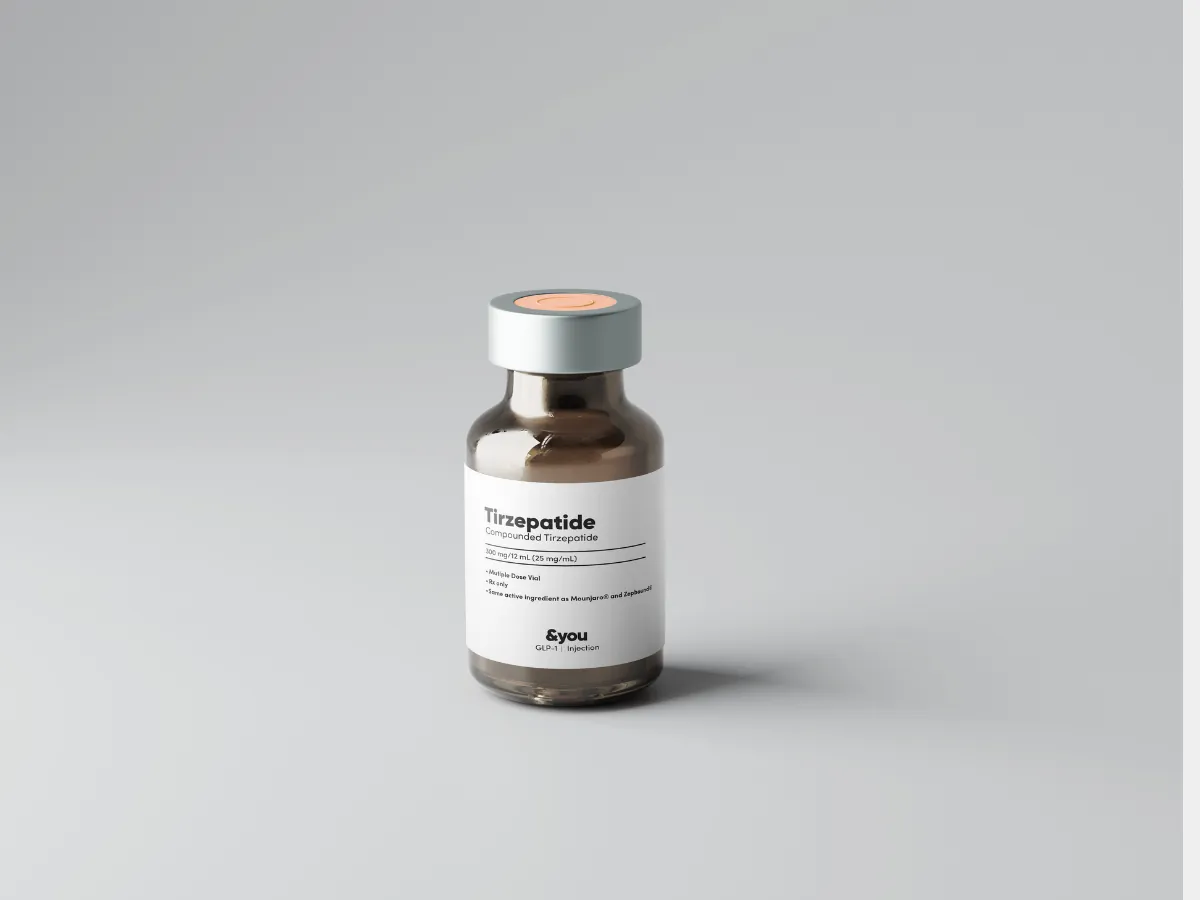
- Tirzepatide works on two hormone systems instead of one, which leads to more weight loss than single-action medications
- Clinical trials show tirzepatide helps people lose about 20% of their body weight compared to 14% with semaglutide
- Both medications require weekly injections and work best when combined with healthy eating and regular physical activity
Tirzepatide for Weight Loss: Dual Mechanism, Efficacy, and Clinical Benefits
Tirzepatide represents a new class of weight loss medication that activates two hormones instead of one, leading to greater weight reduction than single-hormone treatments. Clinical trials show patients losing 15% or more of their body weight, with additional benefits for blood sugar control and cardiovascular health markers.
How Tirzepatide Works: Dual GIP and GLP-1 Action
Tirzepatide is a dual GIP and GLP-1 receptor agonist that targets two different hormone pathways in the body. GIP stands for glucose-dependent insulinotropic polypeptide, while GLP-1 refers to glucagon-like peptide-1. Both hormones naturally occur in the digestive system and help regulate metabolism.
The GLP-1 component works by stimulating insulin secretion when blood sugar rises and suppressing glucagon release. It also slows how quickly food leaves the stomach and increases feelings of fullness. The GIP component adds extra metabolic benefits by signaling receptors in the brain and fat tissue that affect energy balance.
This dual action produces more weight loss than GLP-1 alone. The combination helps patients feel satisfied with less food while their bodies process glucose more efficiently. Tirzepatide is administered once weekly through a subcutaneous injection, making it convenient for long-term use.
Differences from Ozempic and Semaglutide
Ozempic contains semaglutide, which is a GLP-1 receptor agonist that activates only one hormone pathway. Tirzepatide activates both GIP and GLP-1 receptors, creating a broader metabolic effect. This fundamental difference in mechanism leads to different outcomes in clinical practice.
Clinical trials comparing tirzepatide and semaglutide show that tirzepatide 15 mg produced 5.5 kg more weight loss than semaglutide 1 mg over 40 weeks in the SURPASS-2 trial. The GIP component appears to provide metabolic advantages beyond what GLP-1 offers alone.
Both medications come as once-weekly injections and share similar side effects, mainly gastrointestinal issues. Wegovy is the brand name for higher-dose semaglutide approved specifically for weight management, while Mounjaro and Zepbound are tirzepatide products from Eli Lilly. Mounjaro treats type 2 diabetes, and Zepbound targets obesity treatment.
Efficacy: Clinical Trials and Weight Loss Outcomes
Seven randomized controlled trials involving 4,795 participants demonstrated significant weight reduction with tirzepatide. The studies lasted between 12 and 72 weeks and tested three dose levels: tirzepatide 5 mg, 10 mg, and 15 mg.
Results showed dose-dependent weight loss across all three levels:
- 5 mg dose: Average weight loss of 7.5 kg and 8.07% body weight reduction
- 10 mg dose: Average weight loss of 11.0 kg and 10.79% body weight reduction
- 15 mg dose: Average weight loss of 11.5 kg and 11.83% body weight reduction
All doses also reduced body mass index and waist circumference significantly. More patients achieved substantial weight loss milestones compared to placebo groups. Tirzepatide treatment led to HbA1c reduction in patients with type 2 diabetes, along with improvements in blood pressure and lipid profiles.
The medication proved effective for both diabetic and non-diabetic patients with obesity. Gastrointestinal side effects were the most common adverse events but typically remained mild to moderate and temporary.
Eligibility and Approved Uses
Tirzepatide has received approval for treating type 2 diabetes in the United States, Europe, Japan, and other countries. The medication is currently being studied for long-term weight management in adults who are overweight or obese.
Patients over 18 years old may be candidates for tirzepatide treatment. Those using the medication for weight management typically have a BMI that qualifies them as obese or overweight with weight-related health conditions. Patients cannot use tirzepatide alongside other weight loss medications.
Clinical trials excluded participants who were already taking other weight management drugs. The SURMOUNT trial program specifically evaluated tirzepatide's effectiveness in non-diabetic individuals with obesity. Treatment requires commitment to weekly injections and monitoring for side effects, particularly during the initial weeks when the body adjusts to the medication.
Tirzepatide Safety, Dosage, and Lifestyle Considerations
Tirzepatide treatment requires careful attention to dosing schedules, potential side effects, and lifestyle modifications. Understanding these factors helps patients maximize benefits while minimizing risks and maintaining long-term results.
Side Effects and Safety Profile
Gastrointestinal disturbances are the most common side effects experienced by patients taking tirzepatide. Nausea, diarrhea, and vomiting occur because the medication slows digestion and affects how the stomach empties food.
Most tirzepatide side effects are mild to moderate in severity. They typically appear during the first few weeks of treatment and decrease over time as the body adjusts.
Headaches represent another frequently reported complaint among users. Patients should monitor their symptoms and report persistent or severe reactions to their healthcare provider.
Common side effects include:
- Nausea
- Diarrhea
- Decreased appetite
- Vomiting
- Constipation
- Abdominal discomfort
Serious adverse events are rare but require immediate medical attention. These include signs of pancreatitis, gallbladder problems, or severe allergic reactions. The safety profile remains favorable compared to many weight loss interventions, with most patients able to continue treatment successfully.
Optimal Dosage and Administration
Tirzepatide dosing starts at 2.5 mg weekly for the first four weeks. This initial period allows the body to adjust to the medication and reduces the likelihood of gastrointestinal side effects.
The dose increases gradually every four weeks. Patients typically move to 5 mg, then 7.5 mg, 10 mg, 12.5 mg, and finally 15 mg as the maximum dose. This stepwise approach balances effectiveness with tolerability.
The medication is administered as a once-weekly injection under the skin. Patients should rotate injection sites between the abdomen, thigh, and upper arm to prevent tissue irritation. Injecting on the same day each week helps maintain consistent medication levels.
Patients should never increase their dose without medical supervision. The appropriate maintenance dose varies based on individual response and weight loss goals.
Integrating Diet, Exercise, and Lifestyle
Tirzepatide works best when combined with diet and exercise modifications. The medication reduces appetite and slows digestion, making it easier to follow a reduced-calorie eating plan.
Patients should focus on nutrient-dense foods and adequate protein intake. Smaller, more frequent meals often work better than large portions because of the medication's effect on gastric emptying. Staying hydrated remains important throughout treatment.
Regular physical activity enhances weight loss results and preserves muscle mass. Starting with moderate activities like walking and gradually increasing intensity produces sustainable benefits.
Lifestyle considerations include:
- Eating slowly and stopping when comfortably full
- Avoiding high-fat meals that may worsen nausea
- Timing meals consistently throughout the day
- Monitoring blood sugar if at risk for hypoglycemia
Sleep quality often improves with weight loss, particularly for those with obstructive sleep apnea (OSA). Better metabolic health markers typically emerge within the first few months of combined medication and lifestyle intervention.
Weight regain represents a significant concern when patients discontinue tirzepatide or other GLP-1 medications. Studies show that many individuals regain a portion of lost weight after stopping treatment because the underlying metabolic factors return.
Maintaining weight loss requires ongoing lifestyle modifications even while taking the medication. Building sustainable habits during treatment increases the likelihood of preserving results long-term.
Metabolic health improvements include better insulin secretion, reduced insulin resistance, and improved lipid profiles. These benefits may persist to some degree even if some weight returns after stopping medication.
Some patients may need extended or indefinite treatment to maintain results. This approach mirrors the management of other chronic conditions like hypertension or high cholesterol. The decision should involve discussion with a healthcare provider about individual risks and benefits.
Compared to other GLP-1 receptor agonists like liraglutide, tirzepatide may offer enhanced metabolic benefits due to its dual mechanism. However, all GLP-1 agonists share similar considerations regarding long-term use and weight maintenance strategies.
.avif&w=256&q=75)