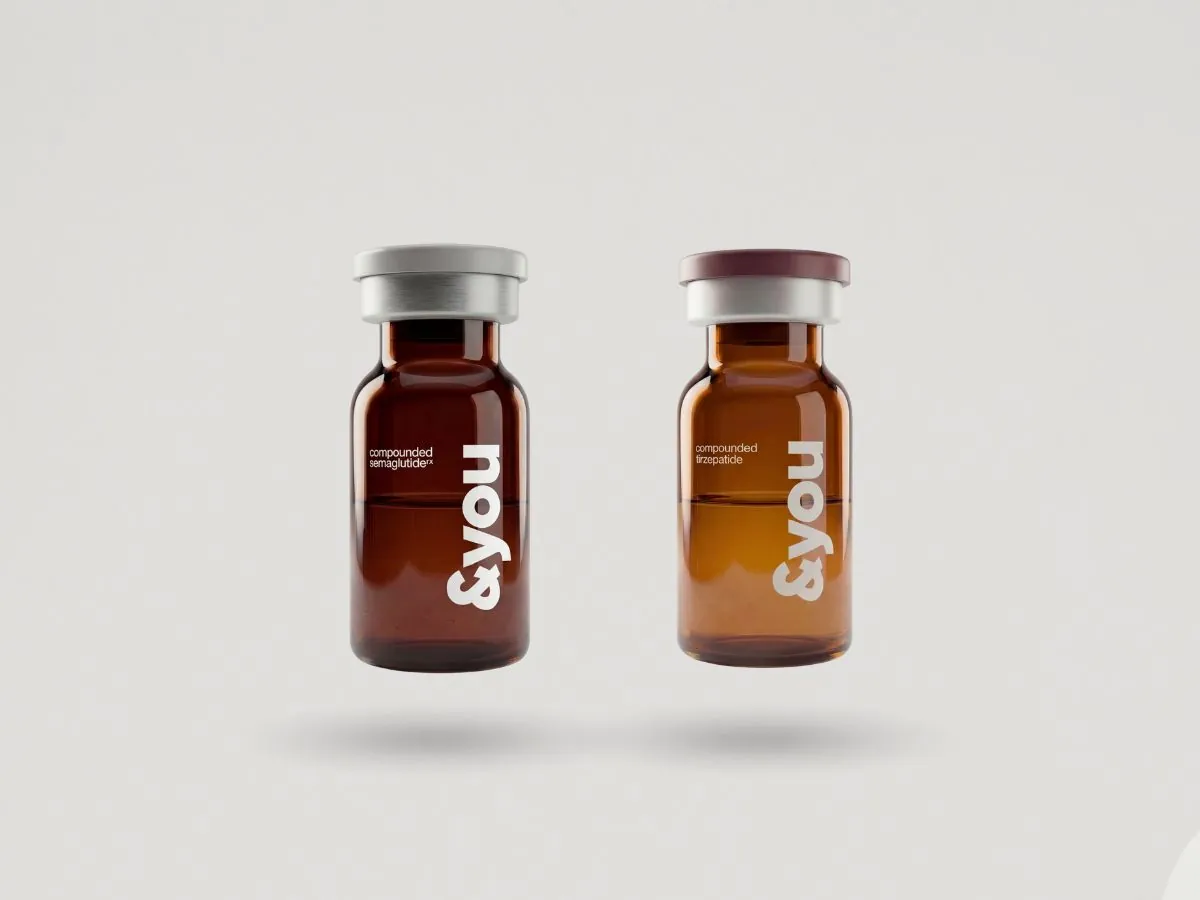
Comparing Semaglutide vs Tirzepatide for Weight Loss Results
Semaglutide and tirzepatide both support chronic weight management, but they work in different ways. Clinical trials show clear gaps in weight reduction, blood sugar control, and heart-related outcomes.
Mechanisms of Action: GLP-1 vs Dual GLP-1/GIP Receptor Agonist
Semaglutide acts as a GLP-1 receptor agonist. It slows stomach emptying, lowers appetite, and improves insulin release. This explains how semaglutide works in drugs like Ozempic, Wegovy, and Rybelsus.
Tirzepatide targets two pathways. It activates GLP-1 and GIP receptors at the same time. This dual action improves appetite control and insulin response. Mounjaro and Zepbound use this approach.
The added GIP receptor effect appears to boost fat loss. Trials comparing GIP and GLP-1 together versus GLP-1 alone show stronger signals for weight reduction with tirzepatide.
Weight Loss Efficacy in Clinical Trials
Head-to-head trials report larger weight loss results with tirzepatide. In a large clinical comparison, adults with overweight or obesity lost more body weight on tirzepatide than on semaglutide in real-world care, as shown in a JAMA Internal Medicine cohort study.
A meta-analysis of direct trials found consistent results favoring tirzepatide for weight reduction across doses. The review highlights stronger average losses with dual receptor therapy, according to this systematic review and meta-analysis.
Key trial findings include:
Trial | Drug | Average Weight Loss |
|---|
SURMOUNT-1 | Tirzepatide | ~15–22% |
STEP trials | Semaglutide | ~10–15% |
These results guide weight management decisions for obesity care.
Both drugs improve blood sugar control and lower A1C (HbA1c). Semaglutide has long-standing data in type 2 diabetes care as a GLP-1 receptor agonist.
Tirzepatide shows stronger effects on insulin sensitivity. In SURPASS-2, tirzepatide lowered A1C more than semaglutide in adults with type 2 diabetes. Many patients reached near-normal A1C levels.
Better glucose control supports metabolic health beyond weight loss. These effects matter most for patients with obesity and diabetes who need durable control with fewer medications.
Cardiovascular Benefits and Heart Health
GLP-1 receptor agonists reduce the risk of major cardiovascular events in high-risk patients. Semaglutide already holds approval for lowering heart attack and stroke risk in people with diabetes.
Early data suggest tirzepatide may offer similar or greater cardiovascular benefits. A large outcomes trial showed better weight loss and risk factor improvement compared with semaglutide, summarized in an American College of Cardiology trial review.
Both drugs lower blood pressure and improve cholesterol. These changes support long-term heart health, especially for patients with obesity and prior cardiovascular events.
Tolerability, Safety, and Treatment Considerations
Both drugs help with weight loss but differ in side effects, dosing steps, and access. Patients often weigh how they feel on treatment, how easy it fits into routine care, and how much it costs.
Side Effects and Tolerability Profiles
Semaglutide and tirzepatide share similar side effects because both are GLP-1 medications. The most common issues include nausea, vomiting, diarrhea, constipation, and fatigue. These often appear during dose increases and ease over time.
Higher doses raise the risk of stomach symptoms. A large network meta-analysis comparing weight loss and side effects found more treatment stops at the highest doses, especially due to nausea and vomiting, for both drugs, with slightly higher rates at maximum doses.
Both drugs carry an FDA boxed warning for thyroid C‑cell tumors, based on animal data. They are not advised for people with a personal or family history of medullary thyroid cancer. Rare risks include pancreatitis and gallbladder issues. Hypoglycemia is uncommon unless combined with insulin or metformin.
Some patients see small improvements in blood pressure and cholesterol during obesity treatment, which may help conditions like sleep apnea when weight loss occurs.
Dosing, Administration, and Practical Use
Both medications use a weekly subcutaneous injection. Patients start at a low starting dose and increase slowly through dose titration to reach a maintenance dose. This stepwise approach improves tolerability.
Feature | Semaglutide | Tirzepatide |
|---|
Dosing | Weekly injection | Weekly injection |
Targets | GLP‑1 | GLP‑1 + GIP |
Titration | Gradual | Gradual |
Semaglutide also has an oral tablet, but that form is for diabetes, not FDA‑approved weight loss. Consistent dosing, healthy eating, and exercise improve results for both weight loss medications.
Care teams often choose based on side effects, weight goals, and patient comfort with injections.
Cost, Insurance Coverage, and Accessibility
Costs remain a major barrier. Both drugs are FDA‑approved for obesity treatment, but insurance coverage varies widely. Many plans limit coverage to specific criteria, such as BMI or related conditions like obstructive sleep apnea.
Without coverage, monthly costs can be high. Prices vary by dose, pharmacy, and manufacturer programs from Novo Nordisk (semaglutide) and Eli Lilly (tirzepatide).
A comparative safety and access review notes that access often depends more on insurance rules than clinical differences.
Patients often need prior authorization, step therapy, or proof of failed weight loss treatment before approval.
Frequently Asked Questions
Clinical trials show clear differences in weight loss results, hormone targets, side effects, and dosing between semaglutide and tirzepatide. Doctors also rely on long-term trial data when choosing one option for obesity treatment.
What are the differences in weight loss outcomes between Semaglutide and Tirzepatide?
Tirzepatide leads to greater average weight loss than semaglutide in adults with obesity. In a head‑to‑head trial, people taking tirzepatide lost about 20% of body weight compared with about 14% for semaglutide at 72 weeks, as reported in this tirzepatide vs semaglutide clinical comparison.
More people on tirzepatide also reached higher weight‑loss targets, such as 15% or more. Semaglutide still produces meaningful and sustained weight reduction for many patients.
How do the mechanisms of action for Semaglutide and Tirzepatide compare?
Semaglutide activates the GLP‑1 receptor only, which reduces appetite, slows digestion, and improves blood sugar control. It copies the action of a natural gut hormone released after meals.
Tirzepatide activates both GLP‑1 and GIP receptors. This dual action improves insulin response and may affect fat metabolism, which helps explain the stronger weight‑loss effect seen in trials, as outlined in this mechanism comparison of tirzepatide and semaglutide.
What are the side effects associated with Semaglutide and Tirzepatide in the context of weight management?
Both medications commonly cause nausea, vomiting, diarrhea, and constipation. These effects usually appear during dose increases and lessen over time.
Tirzepatide may cause slightly more stomach‑related symptoms at higher doses. Serious side effects are uncommon but require medical review, as described in this semaglutide vs tirzepatide safety overview.
Is there any clinical data supporting the superiority of one medication over the other for weight loss?
Multiple trials show tirzepatide produces greater average weight loss than semaglutide. The SURMOUNT studies consistently report larger reductions in body weight and waist size with tirzepatide.
Real‑world data also supports these findings, showing stronger metabolic changes with tirzepatide in routine care. This trend appears across different patient groups, according to this review of real‑world GLP‑1 outcomes.
What are the dosage recommendations for Semaglutide and Tirzepatide when prescribed for obesity?
Semaglutide for weight loss usually starts at a low weekly dose and increases to a maintenance dose of 2.4 mg. This slow increase helps reduce stomach side effects.
Tirzepatide also starts at a low weekly dose and increases over several months, with maintenance doses ranging up to 15 mg. Brand‑specific dosing details appear in this comparison of semaglutide and tirzepatide dosing.
Can both Semaglutide and Tirzepatide be used in combination with other weight loss therapies?
Doctors often prescribe both medications alongside diet changes, physical activity, and behavior programs. These lifestyle steps remain a core part of treatment.
They should not be combined with other GLP‑1 or GIP drugs. Any use with additional weight‑loss medications requires close medical supervision, as noted in this guide to choosing GLP‑1 weight‑loss therapies.
.avif&w=256&q=75)