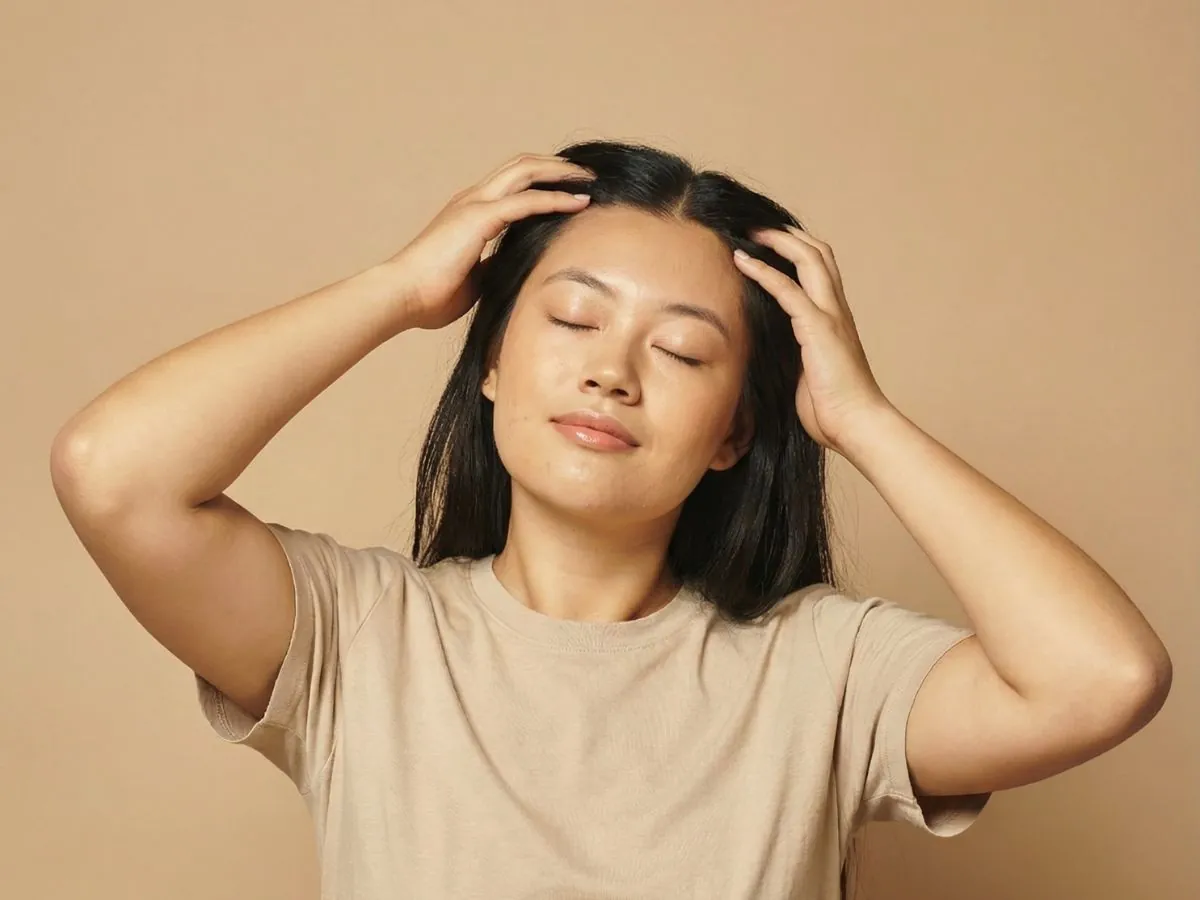
How Thyroid Disorders Cause Hair Loss
Thyroid disorders affect hormone balance, which controls how hair grows, rests, and sheds. When hormone levels shift, hair follicles respond across the scalp and body, leading to visible changes in density, shedding, and texture.
The Role of Thyroid Hormones in the Hair Growth Cycle
Thyroid hormones, mainly T3 and T4, help regulate the hair growth cycle. They support cell activity at the hair root and help follicles stay in the growth phase longer. When levels drop or rise too much, follicles slow down or stop normal growth.
Both underactive and overactive thyroid conditions can disrupt this process. As explained in this overview of thyroid and hair loss, hormone imbalance can prevent new hair from replacing hair that falls out.
How hormone changes affect hair follicles
Hormone issue | Effect on hair growth |
|---|
Low T3/T4 | Slower growth, weaker strands |
High T3/T4 | Shortened growth phase |
Autoimmune activity | Follicle inflammation |
These changes affect overall scalp health and hair density.
Hair Thinning, Shedding, and Changes in Hair Texture
Thyroid-related hair loss usually appears as thinning across the scalp instead of bald patches. People often notice more hair in the shower drain or brush. The hair may also feel dry, brittle, or coarse.
Experts note that thyroid disorders and hair loss tend to cause diffuse shedding. This pattern means hair looks less full but still covers the scalp.
Texture changes happen because oil production and protein structure shift with hormone changes. Eyebrows and body hair may thin as well. These signs often appear along with other thyroid symptoms, such as fatigue or weight changes.
Telogen effluvium explains much of thyroid-related hair shedding. This condition occurs when many hairs move into the resting phase at the same time. Several months later, shedding increases.
Thyroid disorders act as a trigger by stress ing the hair growth system. According to guidance from the British Thyroid Foundation on hair loss and thyroid disorders, this type of shedding usually looks even across the scalp.
Telogen effluvium does not damage follicles. Once thyroid hormone levels stabilize, hair growth often resumes over time. Regrowth happens slowly, and new hair may feel different at first.
Doctors diagnose thyroid-related hair loss by linking hair changes with hormone levels, physical symptoms, and treatment response. Effective management depends on accurate testing, proper thyroid treatment, and steady support for hair and scalp health during recovery.
Recognizing Signs and Symptoms
Hair loss tied to thyroid disease often appears as diffuse thinning across the scalp, not patchy bald spots. It usually starts months after thyroid levels change because hair grows in long cycles.
People with hypothyroidism may notice dry, brittle hair, slow regrowth, dry skin, fatigue, and cold sensitivity. Those with hyperthyroidism may see fine, soft hair, shedding, heat intolerance, and weight loss. Both patterns reflect disrupted hormone balance.
Blood tests that measure TSH, T3, and T4 confirm diagnosis. An endocrinologist often reviews results and symptoms together, since hair loss alone does not diagnose thyroid disease. Clinics note that thyroid disorders can disrupt the hair growth cycle, leading to widespread shedding.
Thyroid Medications and Impact on Hair
Hair shedding may continue or briefly worsen after starting thyroid medication. This response often reflects the body adjusting, not treatment failure. Doctors usually monitor levels for several months before changing therapy.
Common treatments include thyroid hormone replacement for hypothyroidism and antithyroid medications for hyperthyroidism. In some cases, doctors use radioactive iodine treatment to reduce thyroid activity. Each option aims to stabilize hormones, which supports normal hair cycling over time.
Once hormone levels stay within range, hair growth often resumes slowly. Medical reviews show that both underactive and overactive thyroid states can cause widespread shedding, and improvement depends on consistent thyroid treatment rather than hair-specific drugs.
Supporting Hair and Scalp Health During Treatment
Supportive care protects fragile hair while hormones stabilize. Doctors often recommend gentle hair care, including mild shampoos, limited heat styling, and avoiding tight hairstyles.
Helpful habits include:
- Washing with lukewarm water
- Using wide-tooth combs
- Limiting chemical treatments
Nutrition also matters. Adequate protein, iron, and zinc support regrowth, but supplements should match lab results. Aggressive products rarely help and may worsen breakage.
Hair usually improves gradually once thyroid levels stabilize. If thinning persists, clinicians may discuss hair restoration treatments after ruling out ongoing hormone imbalance. Patient guides note that hair loss often becomes visible months after thyroid disease begins, so patience and steady care remain essential.
.avif&w=256&q=75)