Key Takeaways
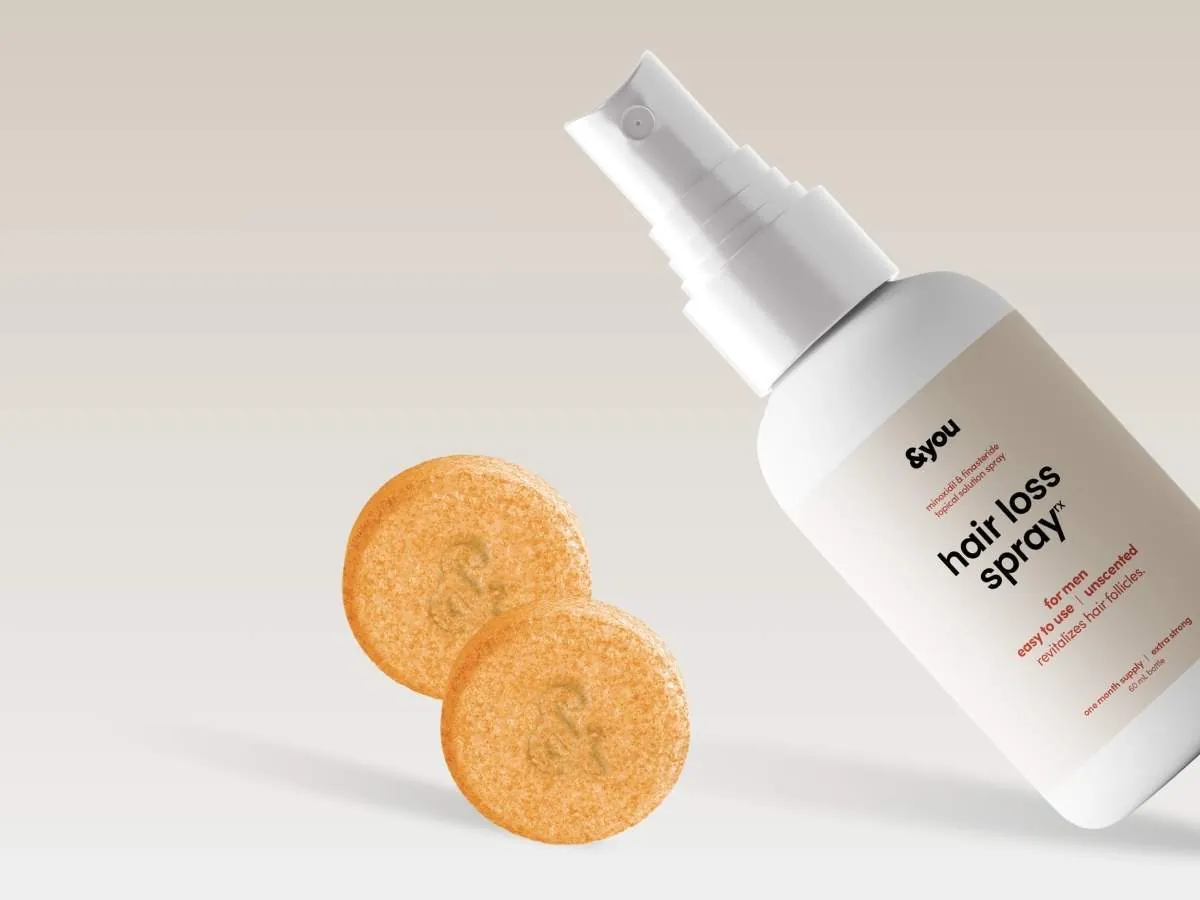
- Finasteride and minoxidil work through different mechanisms, making them effective when used together for hair loss treatment
- Both medications require consistent long-term use to maintain results and prevent further hair loss
- Side effects, treatment costs, and individual hair loss patterns should be considered before starting any hair restoration plan
What Is Finasteride?
Finasteride is a prescription drug that targets a specific hormone linked to hair loss in men. This medication, also sold under the brand name Propecia, blocks the production of DHT (dihydrotestosterone). DHT causes hair follicles to shrink in people who are genetically prone to baldness.
The drug functions as a 5α-reductase inhibitor. It stops the enzyme that turns testosterone into DHT. When DHT levels drop, hair follicles can stay healthy and hair loss slows down.
The FDA has approved finasteride for treating male pattern baldness. Men typically take this DHT blocker once per day as a pill. Most people begin to see changes after taking it regularly for 3 to 6 months.
Research shows that men who stay on finasteride for two years often see more hair on their scalp. The medication works best when taken consistently over time. Finasteride prevents further hair loss by addressing the root hormonal cause of thinning hair in men.
What Is Minoxidil?
Minoxidil is a treatment that comes as a liquid or foam that people put directly on their scalp. It works as a vasodilator, which means it improves blood flow to hair follicles on the scalp. This increased blood flow helps hair grow and makes the growth phase of hair last longer. The medication does not affect hormones in the body. Rogaine is the most well-known brand name for minoxidil. People can buy it without a prescription at most pharmacies and stores. The FDA has approved minoxidil for treating hair loss in both men and women. It comes in two strengths: 2% and 5%. Most people need to apply it once or twice each day to see results. Users typically notice changes after using it for 3 to 4 months. Studies show that minoxidil can make existing hairs thicker by making the hair follicles larger. It also helps follicles work better overall. People need to keep using it regularly to maintain their results.
How These Two Hair Loss Treatments Work Together
Finasteride and minoxidil tackle hair loss from different angles, which makes them work well as a combination therapy. Finasteride blocks DHT, a hormone that causes hair follicles to shrink and stop producing hair. Minoxidil works differently by improving blood flow to the scalp and extending the growth phase of hair follicles.
When used together, these medications create synergistic effects that enhance hair regrowth better than either treatment alone. Studies show that combining the two medications can improve results in up to 94% of patients compared to 59-80% for single treatments.
This dual approach addresses both the hormonal and circulatory factors behind hair loss. Research demonstrates that patients experience improved hair density and less shedding when they use both treatments. The combination helps stop hair loss while promoting new growth at the same time.
Other Hair Regrowth Methods
Beyond the standard oral minoxidil and topical finasteride options, several procedures can address thinning hair.
Hair transplant surgery moves healthy follicles from dense areas to balding spots. A surgeon removes small sections of scalp and repositions them where needed.
PRP therapy draws a patient's blood and processes it to concentrate growth factors. Doctors inject this plasma into the scalp to activate dormant follicles.
Laser treatments use light energy to boost circulation in the scalp. This process differs from how minoxidil 5% works but aims for similar results through photobiomodulation technology.
Hair Growth Cycle Stages
Hair follicles move through three distinct stages that determine growth and loss patterns. The active growth stage lasts multiple years and produces longer, thicker strands. A brief transition stage follows, spanning only a few weeks as the follicle prepares to rest.
The final resting stage continues for several months before strands naturally fall out. During this time, the follicle remains inactive until restarting the cycle.
The three stages include:
- Active growth - Hair grows continuously for 2-7 years
- Transition - A 2-3 week period of change
- Resting - Hair remains dormant for 2-4 months before shedding
Problems like androgenetic alopecia, male pattern baldness, and female hair loss occur when DHT disrupts these natural cycles. This hormone shortens the active growth period while extending the resting phase, leading to hair thinning and reduced hair density over time.
Eating Well for Healthy Hair
What someone eats affects their hair. The body needs specific vitamins and minerals to keep hair follicles working properly.
Key nutrients for hair include:
Foods that help hair stay strong include lean meats, chicken, and fish. Leafy vegetables like spinach also support growth. Salmon and other fatty fish provide important nutrients that hair needs to thrive.
Managing Stress to Prevent Hair Shedding
Chronic stress can trigger a condition called telogen effluvium, where hair follicles enter a resting phase and shed excessively. This type of hair loss occurs when ongoing tension disrupts the normal hair growth cycle.
Effective Stress Reduction Methods:
- Mindfulness meditation practice
- Regular physical activity
- Consistent sleep schedule
- Deep breathing exercises
Getting enough rest each night helps the body recover and supports healthy hair follicles. Exercise releases tension and improves blood flow to the scalp. Meditation calms the nervous system and reduces stress hormones that can harm hair growth.
People experiencing stress-related shedding often see improvement within several months of adopting these practices. The hair growth cycle needs time to reset after periods of high stress.
Adverse Reactions
Finasteride:
This oral medication can cause sexual side effects in some men. Decreased libido occurs rarely among users. Some men may experience erectile dysfunction while taking the medication.
Breast tenderness represents another uncommon reaction. Pregnant women must avoid touching finasteride tablets because the medication can harm developing babies.
Minoxidil:
Scalp irritation stands as the most common issue with this topical treatment. Users may notice redness, itching, or dryness where they apply the product.
Temporary hair shedding happens in the first weeks of use. This initial loss stops as new growth begins. The treatment requires ongoing application to maintain results.
Unwanted facial hair can develop in some users if the solution spreads beyond the scalp.
Getting Hair Loss Treatment in the Philippines
Andyou.ph links people with licensed doctors who offer advice about hair health. These medical professionals can write prescriptions when needed for treatment options.
Wrapping Up Your Hair Loss Treatment
Using finasteride and minoxidil together offers a proven method for people dealing with thinning hair. Results take time and require steady application.
Working with a healthcare provider helps create the right plan for each person's needs. Adding healthy habits can support better outcomes.
Key points to remember:
- Both medications work differently but complement each other
- Professional guidance ensures safe and proper use
- Patience matters since hair growth happens gradually
- Results differ from person to person
The combination of finasteride and minoxidil gives those experiencing hair loss two tools that address different causes of the problem.
.avif&w=256&q=75)