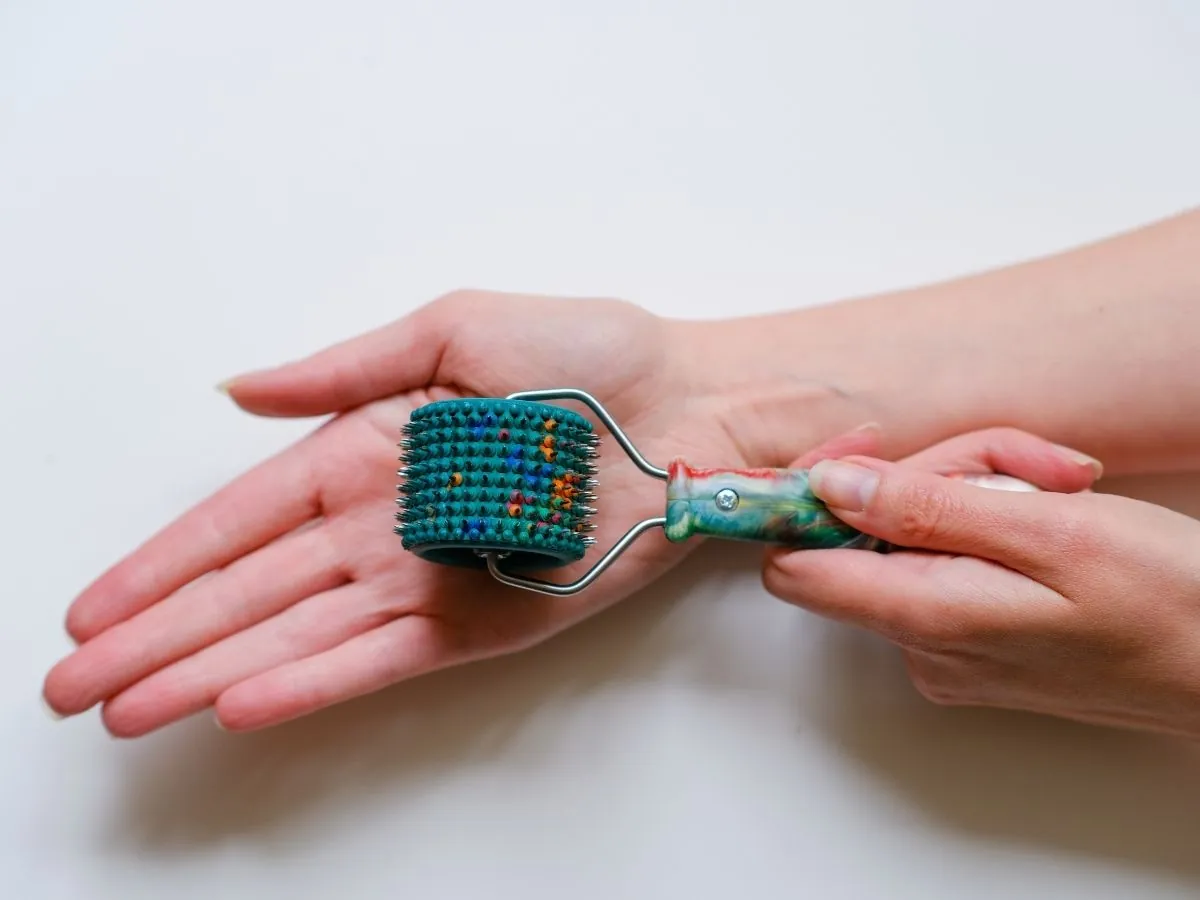
Effectiveness of Derma Rolling for Receding Hairlines
Derma rolling can stimulate new hair growth by triggering natural healing processes in the scalp. It helps restore thinning areas by enhancing blood flow, increasing collagen production, and making topical treatments more effective on dormant hair follicles.
Derma rolling, also known as microneedling, creates controlled micro-injuries on the scalp using fine needles. These small punctures activate a wound-healing response that boosts collagen production, improves blood circulation, and supports cell regeneration. The result is a more nutrient-rich environment for hair follicles.
This stimulation can help reactivate follicles affected by androgenetic alopecia (pattern baldness). Increased circulation carries essential oxygen and nutrients, which promote hair thickness and density over time.
When used before applying hair growth serums or treatments like minoxidil, the micro-channels created by the roller allow for deeper absorption and stronger results. Studies summarized by Scandinavian Biolabs note that this dual approach enhances outcomes for both male and female hairline recession.
Clinical Evidence and Studies
Research on microneedling shows promising results for hair regrowth in individuals with genetic hair loss. One study found that combining derma rolling with topical minoxidil increased hair count more effectively than minoxidil alone. Clinical reports shared by Diaminy highlight that participants experienced measurable improvements in hair density and scalp health.
Another investigation reported thicker hair strands and improved follicle strength after consistent microneedling treatments. While responses vary, evidence supports that derma rolling triggers collagen induction and activates stem cells within follicles.
The safety profile remains favorable when devices are sterilized properly and used as directed. Most participants reported only temporary scalp redness or mild irritation, which typically resolved in a day or two.
Key Factors Impacting Results
Successful use depends on needle size, rolling frequency, and scalp condition. Needles between 0.5 mm and 1.5 mm are most effective for stimulating follicle activity. Consistent sessions usually weekly or biweekly encourage the scalp to repair and renew cells.
Proper hygiene and technique prevent infection and ensure better absorption of active ingredients. Combining derma rolling with a balanced diet and proven treatments like minoxidil or growth serums can further enhance hair growth.
Individual factors such as age, hormone balance, and the extent of hairline recession also influence outcomes. Experts from Necole Bitchie note that those with early-stage male pattern baldness or female pattern baldness often see the most noticeable improvements when the procedure is applied consistently and safely.
Safe Usage, Best Practices, and Alternatives
Using a derma roller for hair can boost scalp health, stimulate follicles, and support other hair loss treatments. Results depend largely on needle selection, technique, and how it’s combined with proven therapies like minoxidil or low‑level laser therapy.
Choosing the Right Derma Roller and Needle Length
A derma roller uses small needles to create micro‑injuries that trigger natural healing and growth responses. For scalp use, the ideal needle length ranges between 0.5 mm and 1.5 mm, depending on skin sensitivity and treatment goals. Rollers shorter than 0.5 mm may have minimal impact, while those longer than 1.5 mm can increase pain or infection risk.
The roller should be made of stainless steel or titanium to prevent rust and improve durability. Disinfect the tool before and after use to reduce the chance of scalp infection. Shorter needles (about 0.5 mm) can be used weekly for general scalp stimulation, while longer needles (1.0–1.5 mm) should be spaced at least two weeks apart to allow healing. Choosing a high‑quality derma roller also limits breakage and ensures consistent depth penetration, as recommended for safe use in guides such as Is a Derma Roller Safe?.
Proper Technique and Aftercare
Clean the scalp with a gentle shampoo before rolling to remove oil, dandruff, and dirt. Roll the device gently over the affected areas in vertical, horizontal, and diagonal directions about 6–8 times per section. Avoid pressing too hard slight redness or pinpoint bleeding is normal, but pain indicates excessive pressure.
After treatment, users should apply antibacterial serum or soothing spray and avoid hair products containing alcohol or fragrance for at least 24 hours. This minimizes irritation and supports healing. If using minoxidil or a hair growth serum, apply it the next day, since applying immediately can cause burning or absorption issues. Following these steps helps maintain scalp hygiene, reduce irritation, and improve treatment effectiveness, as highlighted in 10 Dermaroller Do’s and Don’ts.
Combining Derma Rolling With Other Hair Loss Treatments
Derma rolling works best when paired with other proven hair loss treatments. Studies show that combining it with topical minoxidil results in greater hair density than using minoxidil alone. It enhances medication absorption and activates growth factors within follicles. Users may also combine it with low‑level laser therapy (LLLT) to further stimulate scalp circulation.
People dealing with androgenic hair loss caused by dihydrotestosterone (DHT) may use derma rolling alongside DHT‑blocking shampoos or treatments. Those seeking permanent options can consider hair restoration through hair transplant surgery, such as procedures performed at the Akaki Tsilosani Hair Transplant Institute, which specializes in surgical follicle implantation. This combination of home therapy and medical interventions allows tailored care for different hair loss stages.
.avif&w=256&q=75)