Top Picks for Hair Loss Shampoos in the Philippines
The best options in 2026 focus on scalp health, proven actives, and formulas that match local hair and weather needs. Shoppers often choose between medical-grade treatments, herbal blends, and shampoos that improve strength and thickness over time.
Dermatologist-backed shampoos focus on clear causes of hair fall, such as dandruff, scalp inflammation, and hormone-related thinning. Nizoral stands out as an anti-dandruff shampoo that helps reduce flaking and itch, which often worsen hair loss when ignored.
Many experts also suggest caffeine shampoo formulas like Plantur 39 . These products aim to support hair roots and reduce breakage linked to weak strands. They work best when used as directed and paired with gentle styling habits.
These shampoos suit people with visible scalp issues, oily buildup, or stress-related shedding. They act more like treatment washes than daily moisturizing shampoo options.
Filipino Herbal and Traditional Shampoo Solutions
Local herbal shampoos use plant-based ingredients that many Filipino users trust for long-term care. Zenutrients Gugo Strengthening Shampoo uses gugo bark , a traditional cleanser known for gentle scalp cleansing and hair fall control.
Gugo-based formulas often act as a mild clarifying shampoo . They remove oil and residue without harsh sulfates, which helps reduce breakage caused by dryness. This makes them useful for frequent washing in humid weather.
Several local guides highlight these options among the best hair loss shampoos in the Philippines due to their balance of cleansing and scalp comfort.
Strengthening and Thickening Shampoo Options
Strengthening and thickening shampoos focus on making hair look fuller while reducing daily shedding. These formulas often include proteins, biotin, or caffeine to support weak strands.
A good strengthening shampoo improves slip and reduces breakage during brushing. A thickening shampoo coats the hair shaft to add body, which helps fine hair look denser. These products do not regrow hair, but they support healthier-looking volume.
Product roundups such as shampoo for hair growth in the Philippines often include these options for people who want visible results without medicated formulas.
Essential Factors When Choosing a Hair Loss Shampoo
Choosing a hair loss shampoo in the Philippines requires attention to scalp health, climate, and the cause of shedding. The right product supports regrowth, limits hair breakage, and fits into a simple hair care routine that people can follow daily.
Understanding Causes and Types of Hair Loss
Hair loss often starts with hair thinning or excess shedding, not sudden bald spots. In the Philippines, heat and humidity can worsen scalp buildup and irritation, which weakens roots. Stress, poor sleep, and diet also affect scalp circulation and growth.
Some people face male pattern baldness, also called androgenetic alopecia. This type links to hormones and genetics and often shows as a receding hairline or thinning crown. Others lose hair due to dandruff, tight hairstyles, or harsh products.
A helpful overview of local triggers appears in this guide on hair loss causes in the Philippines. Matching the shampoo to the cause matters more than choosing the most popular brand.
Key Ingredients for Hair Regrowth and Scalp Health
Effective formulas focus on the scalp, not just the hair strands. A hair growth shampoo should clean gently while supporting follicles and blood flow.
Key ingredients to look for:
Ingredient | Why It Helps |
|---|
Ketoconazole | Reduces dandruff and DHT on the scalp |
Caffeine | Supports scalp circulation |
Biotin | Strengthens weak hair |
Niacinamide | Supports scalp barrier |
Aloe vera | Soothes irritation |
Dermatologists often suggest sulfate-free shampoo options to reduce dryness and hair breakage. For sensitive skin, a hypoallergenic shampoo lowers the risk of itching. Ingredient guidance from experts appears in this list of dermatologist-recommended shampoos for thinning hair.
How to Build an Effective Hair Care Routine
A shampoo works best as part of a steady routine. Most people should wash the scalp three to five times per week, depending on oil level and sweat. Overwashing strips oils, while underwashing leads to buildup.
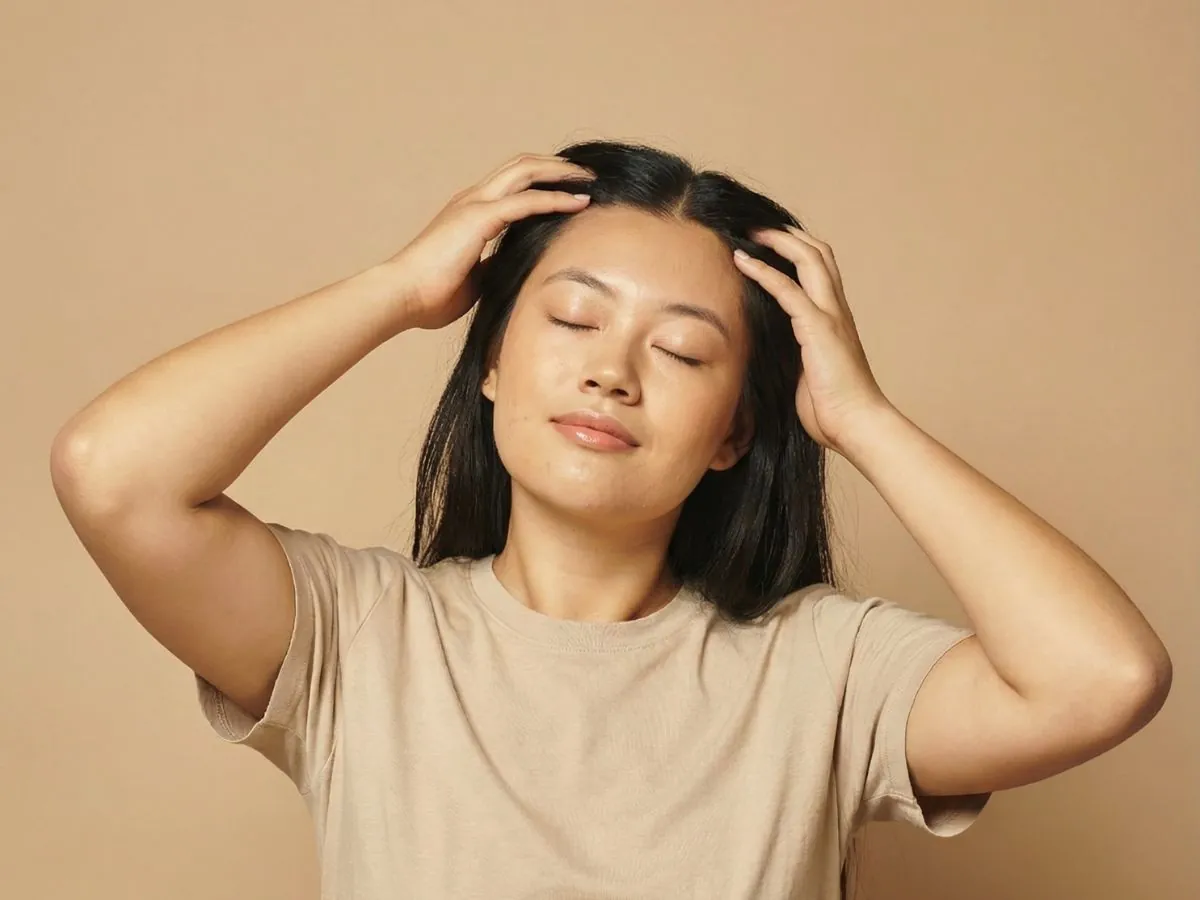
Many users pair shampoo with treatments like minoxidil to support regrowth. Shampoo prepares the scalp so treatments absorb better. Gentle massage during washing can also improve scalp circulation.
Simple routine checklist:
- Use a sulfate-free shampoo
- Massage the scalp for 30–60 seconds
- Avoid very hot water
- Limit heat styling
- Stay consistent for at least 8 weeks
Consistency, not product hopping, drives visible results.
.avif&w=256&q=75)