How Junk Food Can Fit Into Weight Loss in the Philippines
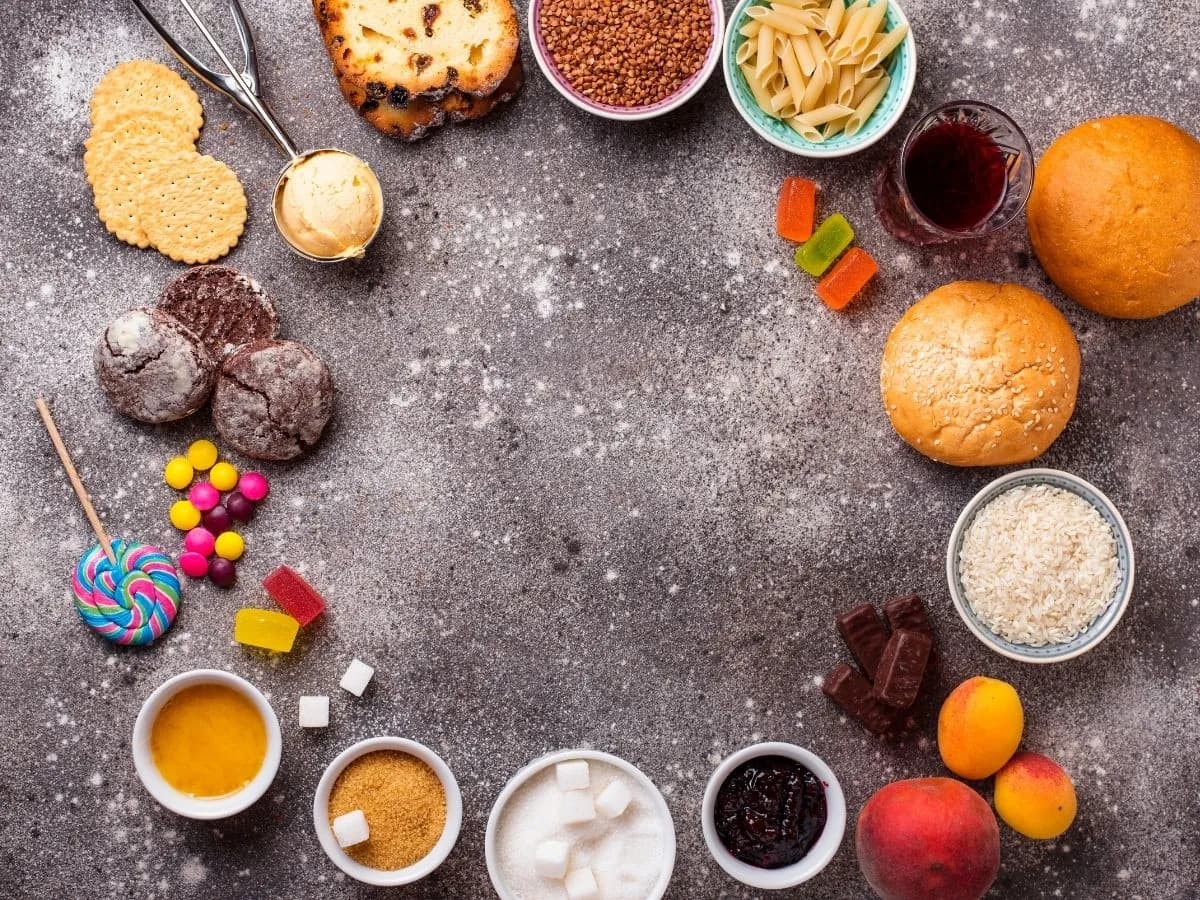
Weight loss comes down to eating fewer calories than the body burns, which means junk food can technically fit into a plan as long as total calorie intake stays controlled. The real challenge lies in managing portion sizes, dealing with social eating situations, and staying aware of what goes into each meal.
Why Calorie Deficit Matters More Than Food Type
A calorie deficit happens when someone eats less energy than their body uses each day. This is what makes weight loss possible, no matter what foods make up the diet.
Someone can lose weight while eating junk food if they maintain this deficit. A person who needs 2,000 calories daily could eat a burger and fries for 800 calories and still lose weight if their total calorie intake stays below what they burn.
The problem is not the food itself but how it affects calorie balance. Junk food won't automatically prevent weight loss if it fits within daily calorie goals. Research shows that what matters most is the total number of calories consumed over time.
This doesn't mean nutrition quality is irrelevant. But for pure weight loss, the math of calories in versus calories out is what drives results.
What Makes Junk Food Challenging for Weight Loss
Fast food and processed snacks create specific obstacles that make staying in a calorie deficit harder. These foods pack many calories into small serving sizes, which means they don't fill people up the way whole foods do.
A small bag of chips might contain 300 calories but leave someone hungry an hour later. That same 300 calories from chicken and vegetables would provide much more food and keep hunger away longer.
Ultra-processed foods lead to excess calorie intake because they're designed to be hyper-palatable. They trigger cravings and make it easy to overeat without realizing it.
Hidden calories in sauces, dressings, and drinks add up quickly. A milk tea can contain 400 calories or more, equivalent to a full meal. People often don't track these liquid calories, which disrupts their deficit without providing satiety.
Cultural and Social Pressures Around Eating
Filipino culture revolves heavily around shared meals and celebrations. Family gatherings, fiestas, and Sunday lunches often feature calorie-dense dishes like lechon, pancit, and desserts.
Saying no to food in these settings can feel rude or isolating. Many people face pressure from relatives who encourage them to eat more or who take offense when food is declined.
Social gatherings make avoiding indulgent meals difficult in the Philippines. The key is finding ways to participate without abandoning weight loss goals entirely.
Someone can take smaller portions of favorite dishes, add vegetables to their plate, or skip sugary drinks while still enjoying the meal. Planning for these events by eating lighter earlier in the day helps create room in the calorie budget.
Portion Control and Mindful Eating
Managing portion sizes transforms how junk food fits into weight loss. Instead of a cheat day where everything goes, flexible dieting allows small amounts of preferred foods regularly.
Practical portion control strategies:
- Split fast food meals with someone else
- Order kids' sizes or small portions instead of regular
- Measure snacks into small bowls rather than eating from the bag
- Track your intake using a food diary or app to stay aware of totals
Mindful eating practices help people notice when they're actually satisfied versus eating out of habit or emotion. This means eating slowly, paying attention to hunger signals, and stopping before feeling stuffed.
A cheat meal works better than a full cheat day because it limits excess calories to one sitting. Someone might enjoy a favorite pizza for dinner but keep breakfast and lunch balanced.
The goal is making room for enjoyment without wiping out progress. Flexible dieters show greater long-term adherence because they don't feel deprived. Planning smaller portions throughout the week prevents the urge to binge and makes the whole approach more sustainable.
Making Weight Loss Sustainable: Smart Nutrition and Lifestyle Strategies
Weight loss success depends on creating habits that last beyond a few weeks or months. The key is finding a balance between enjoying favorite foods and making choices that support overall health, while also managing the physical and emotional factors that affect eating patterns.
Balancing Junk Food and Nutrient-Dense Choices
A balanced diet doesn't mean completely avoiding junk food. Instead, it means building meals around whole foods while leaving room for occasional treats.
Priority Foods for Daily Meals:
- Lean proteins like chicken, fish, eggs, and tofu help maintain muscle and keep hunger at bay
- Whole grains such as brown rice and oats provide complex carbohydrates for steady energy
- Healthy fats from avocados, nuts, and olive oil support hormone balance and nutrient absorption
- Fruits and vegetables deliver vitamins, minerals, and fiber
When someone does eat junk food, portion control makes the difference. Eating a small serving of chips alongside a meal with lean protein and vegetables prevents the blood sugar spikes that come from empty calories alone. This approach helps maintain metabolic health and reduces the risk of insulin resistance.
Ultra-processed foods often contain added sugars, sodium, and trans fats that provide little nutrition. Limiting frozen meals and sugary snacks to occasional treats rather than daily staples protects against type 2 diabetes and cardiovascular disease. The gut microbiome also benefits from nutrient-dense foods, which support digestive health better than processed options.
Exercise, Hydration, and the Role of Physical Activity
Physical activity supports weight management through burning calories and improving overall fitness. Regular movement also helps regulate hormones like leptin and ghrelin, which control hunger and fullness signals.
Exercise doesn't need to be intense to work. Walking 30 minutes daily, taking stairs, or doing bodyweight exercises at home all contribute to a healthy lifestyle. Combining cardio with strength training preserves muscle mass during weight loss, which keeps metabolism functioning well.
Hydration's Role in Weight Loss:
- Water helps the body process nutrients and flush out waste
- Dehydration can mimic hunger signals, leading to unnecessary snacking
- Drinking water before meals may help with portion control
- Proper hydration supports energy levels for physical activity
Most people need about 8 glasses of water daily, though needs vary based on activity level and climate. Replacing sugary drinks with water eliminates hundreds of empty calories without feeling deprived.
Managing Cravings, Stress, and Emotional Eating
Emotional eating often derails weight loss efforts more than occasional junk food. Stress triggers the release of cortisol, which increases appetite and cravings for high-calorie foods. Stress management techniques like deep breathing, meditation, or talking with friends help break this cycle.
Understanding true hunger versus emotional hunger matters. Physical hunger builds gradually, while emotional hunger hits suddenly and often targets specific comfort foods. Keeping a food journal helps identify patterns and triggers.
To reduce cravings naturally, eating regular meals with protein and fiber keeps blood sugar stable. Getting enough sleep also matters since poor rest disrupts hunger hormones. Some people find that science-backed probiotics support their digestive health and overall wellness during weight loss.
Mental well-being connects directly to eating habits. Finding non-food ways to celebrate, relax, or cope with difficult emotions creates lasting change. This might include hobbies, exercise, creative activities, or spending time with loved ones. These strategies support sustainable weight loss by addressing the root causes of overeating rather than just restricting food choices.
.avif&w=256&q=75)